Talem Virtual Library

BMR and IME: Connecting the Accident, the person, and the Claim
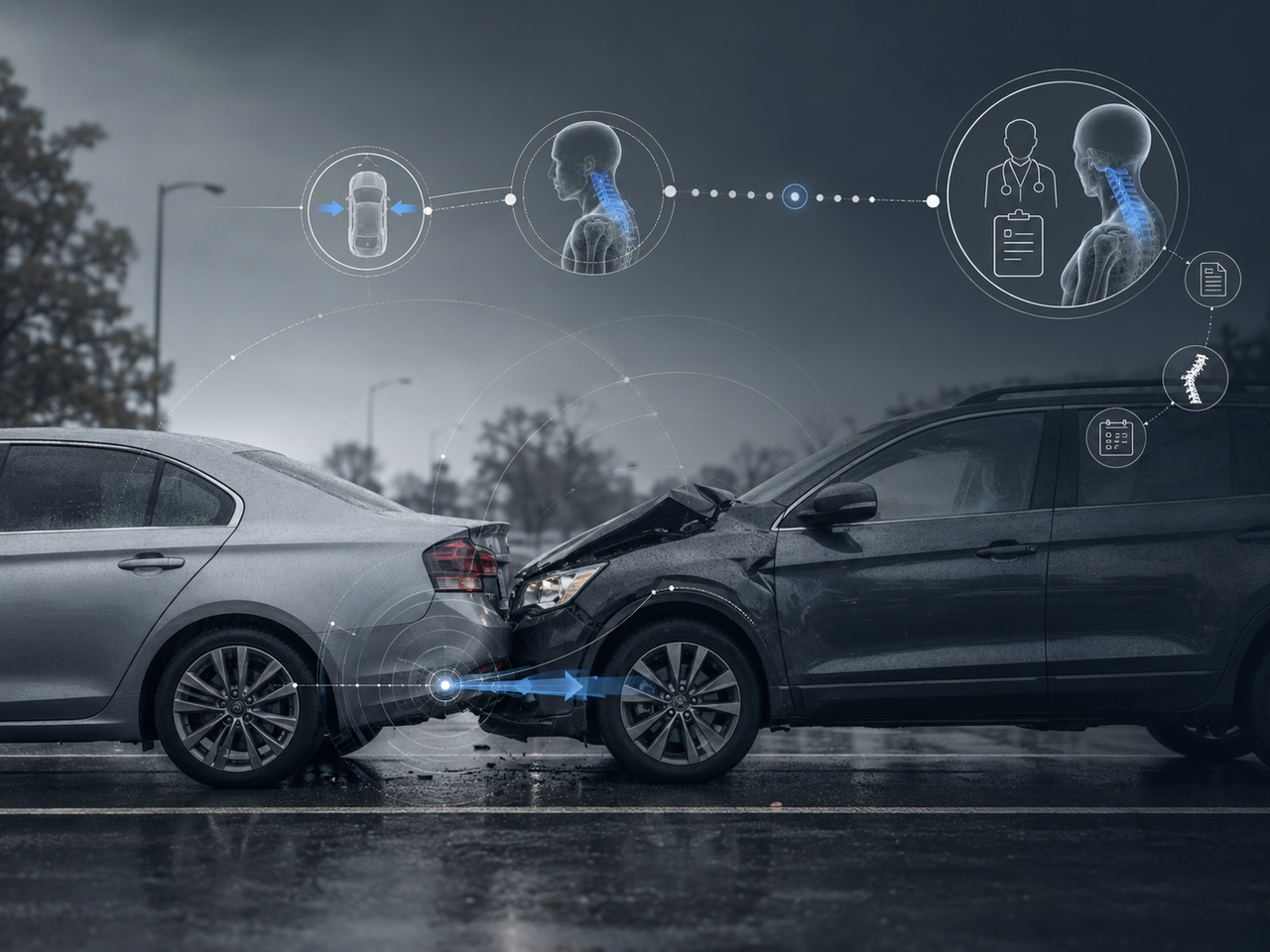
An IME explains the claimant’s medical presentation. A BMR explains the collision and occupant-loading environment. Connecting both can create more focused referrals and a clearer foundation for bodily injury claim decisions.
Why Does Injury Context Arrive After the Decisions That Need It?
Claims teams often receive structured injury context months after making their most important early decisions. Learn how objective crash analysis can bring useful severity and injury-plausibility insight closer to FNOL.

Treatment Proportionality in Bodily Injury Claims: Finding Review Points Earlier
Treatment volume alone does not explain a bodily injury claim. Learn how crash severity, treatment progression, and recovery information can help adjusters recognize meaningful review points earlier.

Severity Intelligence Should Live Where the Claim Decision Happens
Claims intelligence creates more value when adjusters do not have to leave their workflow to find it. See how embedded crash and injury severity context can support BI decisions from FNOL through later claim development.
4 Places Bodily Injury Claims Quietly Lose Severity Context
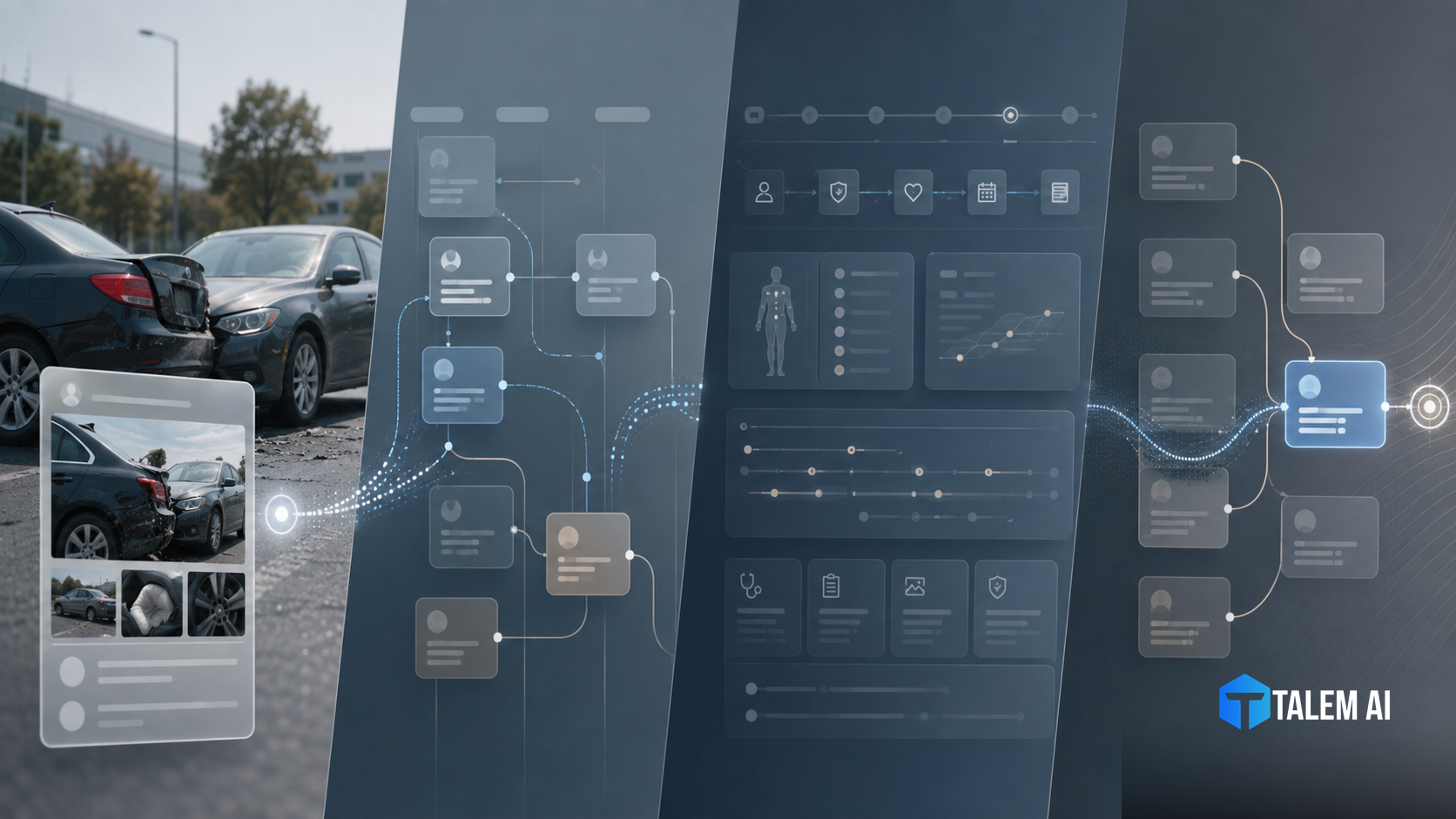
Bodily injury claims often lose clarity at predictable transition points. This field guide shows where severity context breaks down across FNOL, assignment, treatment development, and reassignment—and what claims teams can do about it.
Cycle Time Is a Severity-Clarity Problem
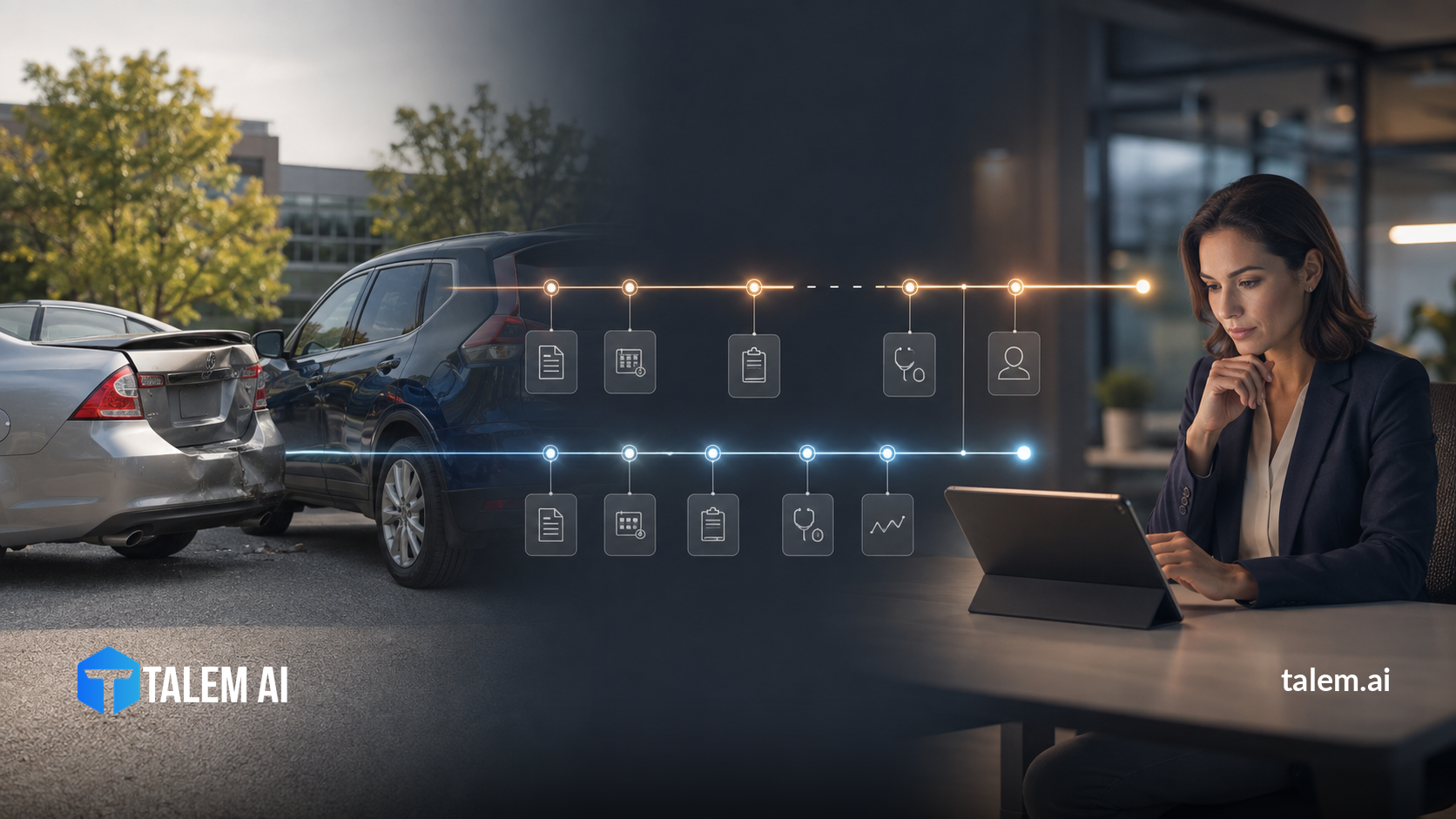
BI claims do not always take longer because adjusters are slow. Often, the delay is the gap between when a claim materially changes and when the organization has enough clarity to act. This one-pager introduces the severity-clarity gap and a practical framework for identifying it.

Visible Vehicle Damage Does Not Tell You the Whole Injury Story
Vehicle photographs are valuable evidence, but visible damage alone does not determine occupant severity. Learn how crash mechanics, Delta-V, and biomechanical analysis turn that evidence into better early context for bodily injury claims.

What Claim Data Reveals About Severity, Timing, and Escalation
A random sample of bodily injury claim data revealed important patterns involving crash severity, injury alignment, referral timing, and billing exposure. The opportunity is to identify developing claim risk earlier—not simply count completed services.

The Future of Bodily Injury Claims: Equipping Adjusters Earlier and Better
The future of bodily injury claims is not about replacing adjusters. It is about bringing crash, injury, treatment, and claim context forward so professionals can make better decisions earlier.

Injury Alignment: How Adjusters Can Interpret Crash, Injury, and Treatment Fit
Bodily injury claims become harder to manage when crash, injury, treatment, and recovery information are considered separately. Injury alignment gives adjusters structured severity context to support more consistent handling, review, and escalation decisions.
From Crash Insights to Claim Insights
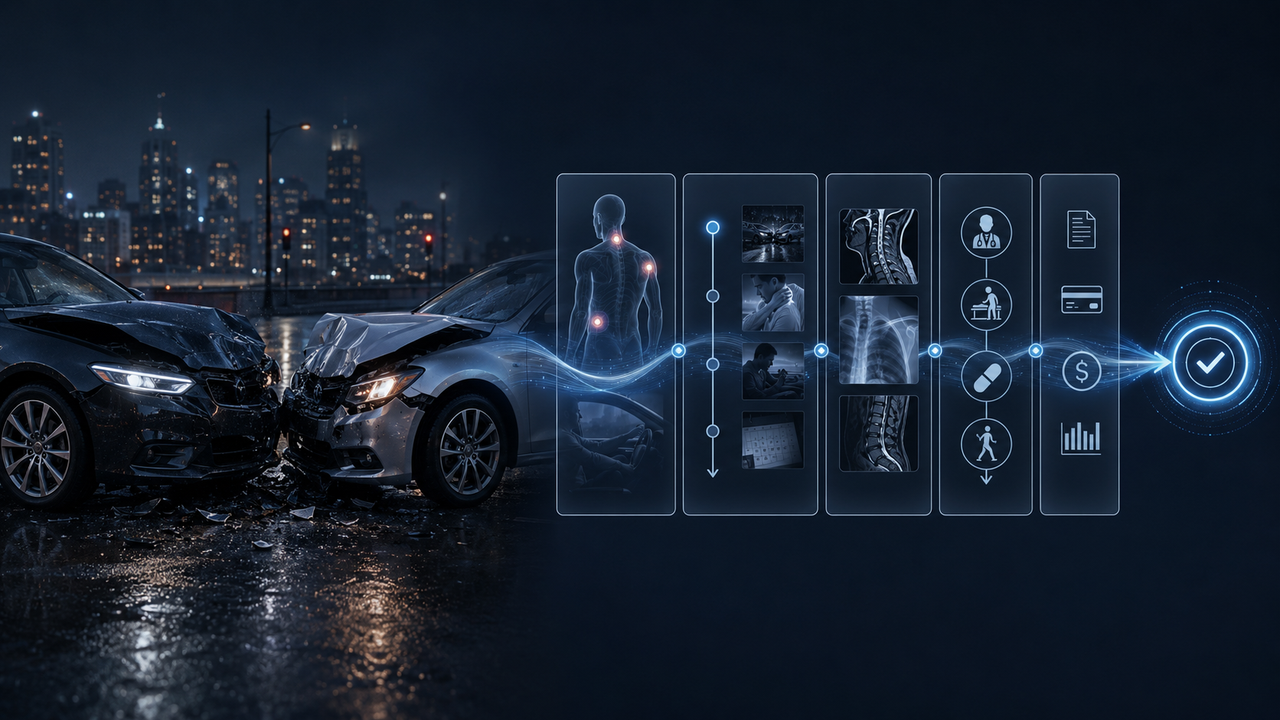
Crash analysis explains the event. Claim-level interpretation explains the file. In bodily injury claims, combining crash context with treatment, diagnostics, chronology, billing, and workflow stage can improve early claim visibility, consistency, and escalation awareness.
Why Provider Conversations Drift in MVA Claims & How Structured Injury Context Improves Alignment
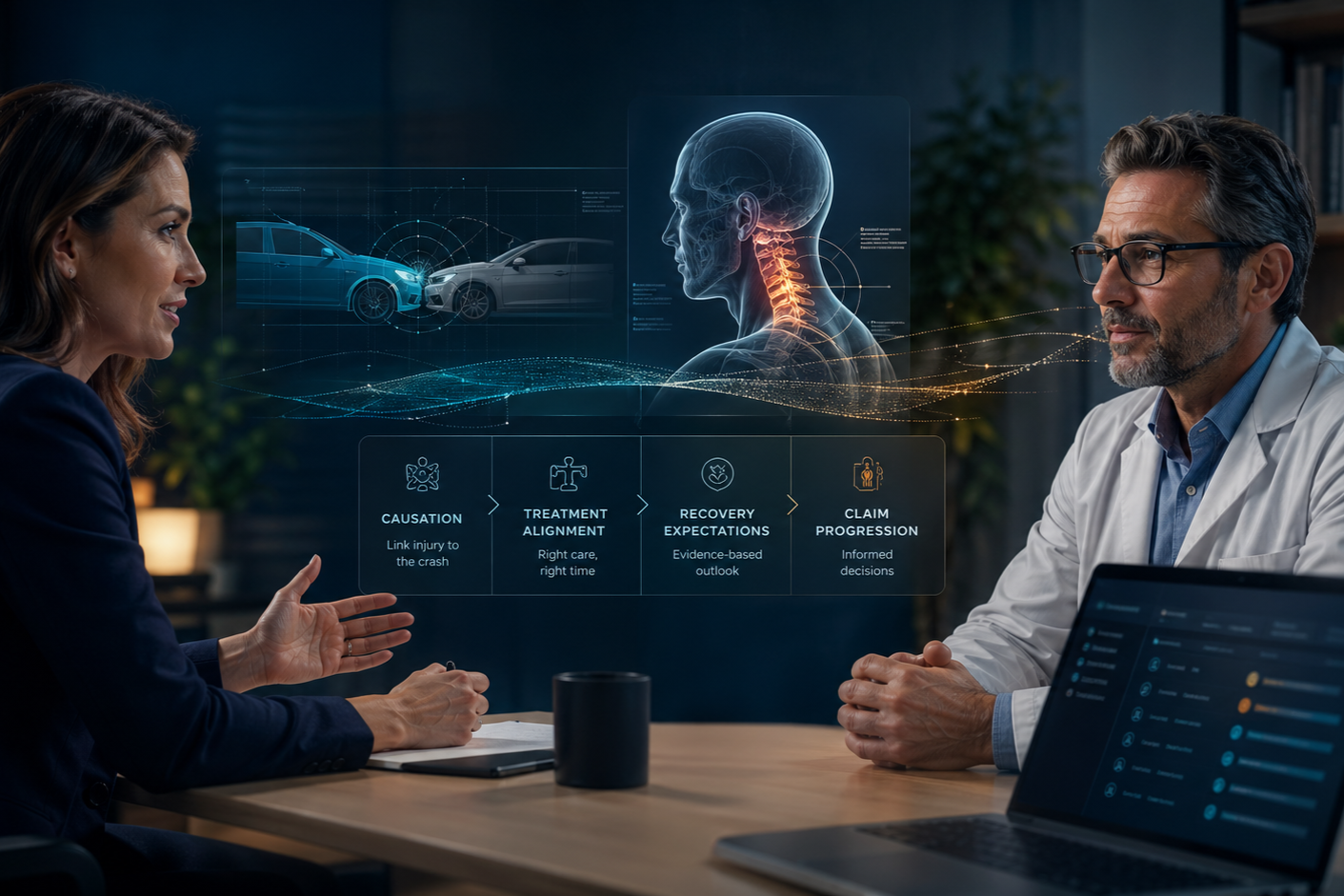
Provider conversations in MVA claims often drift due to a gap between clinical findings and accident context. This article explores how structured injury insight, including crash physics and causation, can improve alignment, reduce variability, and support more consistent claims decisions.
FNOL Isn’t Early Enough: Why Claim Severity Is Often Understood Too Late
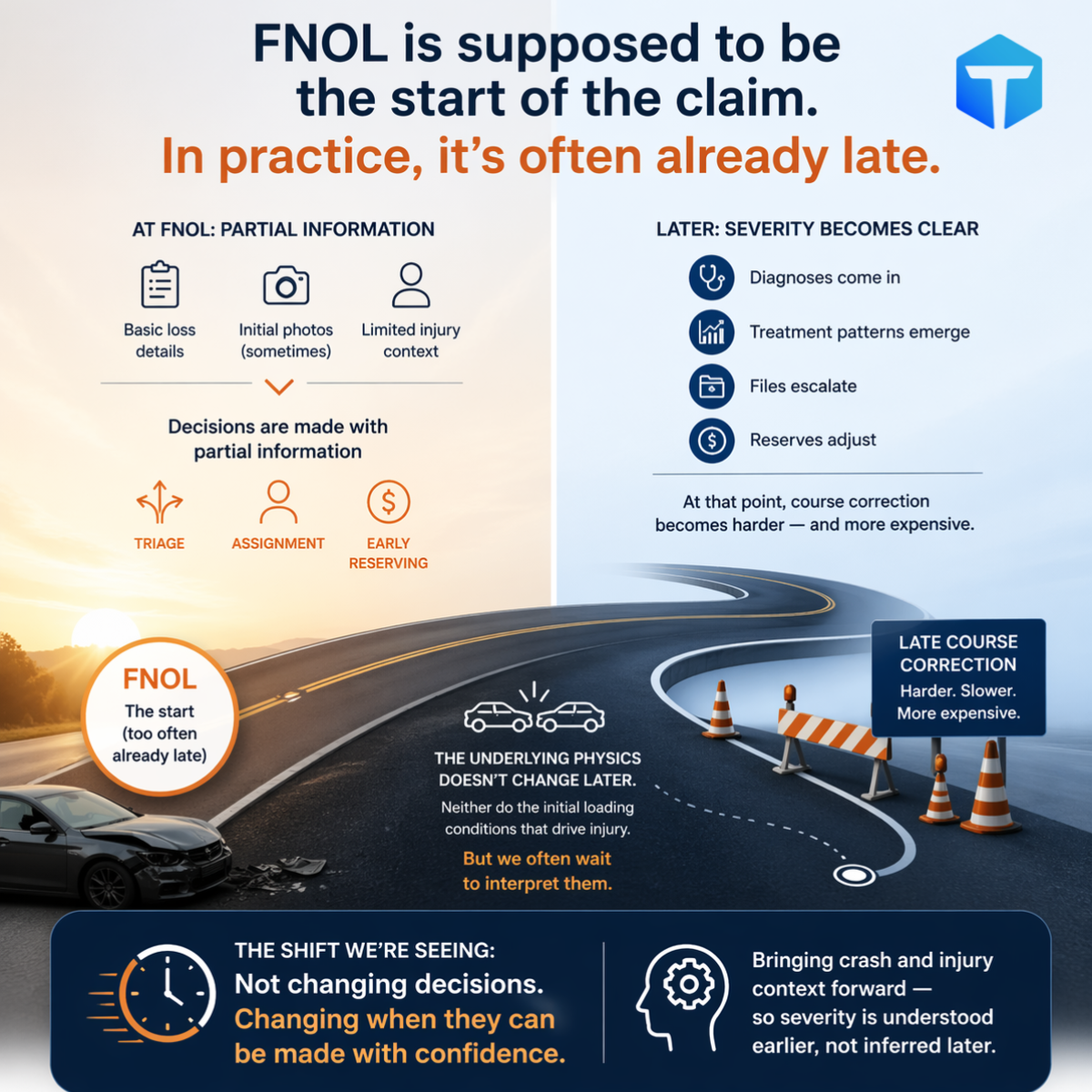
FNOL is designed to be the start of the claim—but key severity signals already exist at impact. This article explores how crash physics, injury causation, and structured analysis can improve early triage, reserving, and claims decision-making.

AI in SIU: From Manual Investigation to Intelligent Claim Evaluation Introduction
SIU teams are highly effective, but often constrained by when and how they engage with a claim. This article explores how AI is improving claim evaluation, reducing manual review, and enabling more consistent, early-stage insight to support better SIU outcomes.

Rear-End Collisions: Low Risk — But Not Always Simple
Rear-end collisions are often considered low risk—but injury outcomes aren’t always straightforward. This article explains how crash physics and biomechanics drive variability and how earlier severity insight can improve claims decisions.

Side-Impact Collision Biomechanics: How Crash Physics Explains Injury Patterns in Claims
Side-impact collisions don’t follow severity alone. Learn how intrusion, occupant motion, and energy transfer shape injury patterns—and what that means for claims evaluation.

Crash Assessment: Unlocking the Power of Delta-v
Crash assessments have traditionally relied on vehicle damage, witness statements, and medical reports, but advancements in technology are reshaping this process. By incorporating Delta-v (change in velocity) and AI-powered crash analysis, insurers can now assess crash severity and predict injury risks in real time. Talem’s innovative technology allows insurers to calculate Delta-v from crash photos instantly, providing objective data for faster, more accurate claim decisions. This transformation enhances fraud detection, streamlines claims processing, and ultimately improves customer satisfaction. Discover how AI-driven crash assessments can revolutionize your claims management process

Data-Driven Insights: Trends in Auto Insurance Claims
Transform the way your business handles auto insurance claims with innovative, data-driven solutions. By integrating advanced analytics and AI, we help insurers streamline claims processing, prevent fraud, and assess injuries more accurately. Our technology allows for faster, more efficient claim management, reducing costs and minimizing errors.

Three Strategic Opportunities for Insurers in 2025: Leveraging Advanced Technology to Enhance Efficiency and Customer Experience
In 2025, insurers must embrace cutting-edge technologies to stay competitive. AI-driven accident analysis, injury assessments, and dynamic pricing models provide the insights needed to reduce costs, improve customer satisfaction, and streamline the claims process. By integrating real-time crash data, insurers can make faster, more informed decisions, enhancing the overall claims experience and improving profitability.

How to Reduce Claims Leakage: The Persistent Challenge for Insurers
Claims leakage costs insurers billions annually. Discover how AI-driven accident and injury analysis at First Notice of Loss (FNOL) can reduce inefficiencies, improve claim accuracy, and enhance customer satisfaction. Learn more about AI-powered claims management.
Proudly Trusted By


